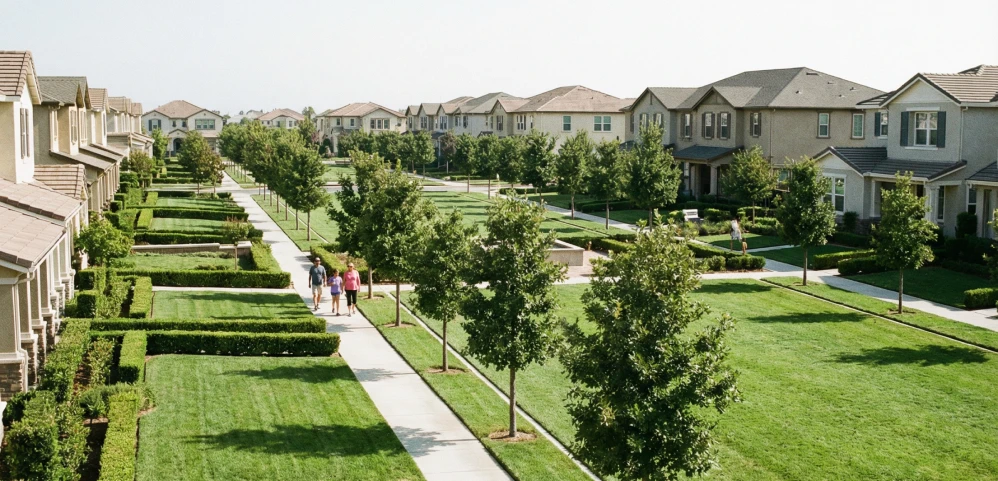
Trees are among the most valuable assets on a property. They provide shade, comfort, and a mature feel that new plantings can’t replace quickly. But trees are also one of the most underestimated risk factors—especially for HOAs and commercial sites where safety, visibility, and liability matter.
Proper tree care isn’t cosmetic trimming. It’s a long-term strategy: monitoring structure, managing risk, supporting plant health, and planning for replacement before problems become emergencies. In Florida and the Tampa Bay area, storm season makes that strategy even more important.
Trees Are Assets—and Potential Liabilities
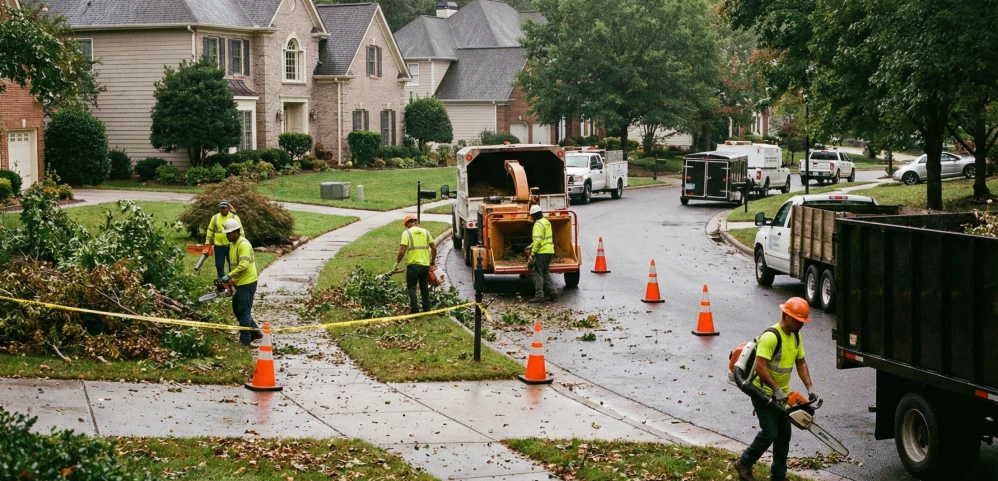
Well-maintained trees increase curb appeal and improve the resident and visitor experience. Neglected trees can create:
-
falling limb hazards
-
blocked sightlines at entrances
-
damage to buildings, vehicles, and walkways
-
emergency removal costs after storms
The Most Common Tree Risk Indicators
Property managers and boards should watch for:
-
deadwood in the canopy
-
uneven canopy weight distribution
-
cracks or splits in trunk/major limbs
-
leaning that appears new or increasing
-
root issues (heaving soil, exposed roots, decay at base)
-
branches over roofs, parking, or walkways
Pruning: Timing and Purpose
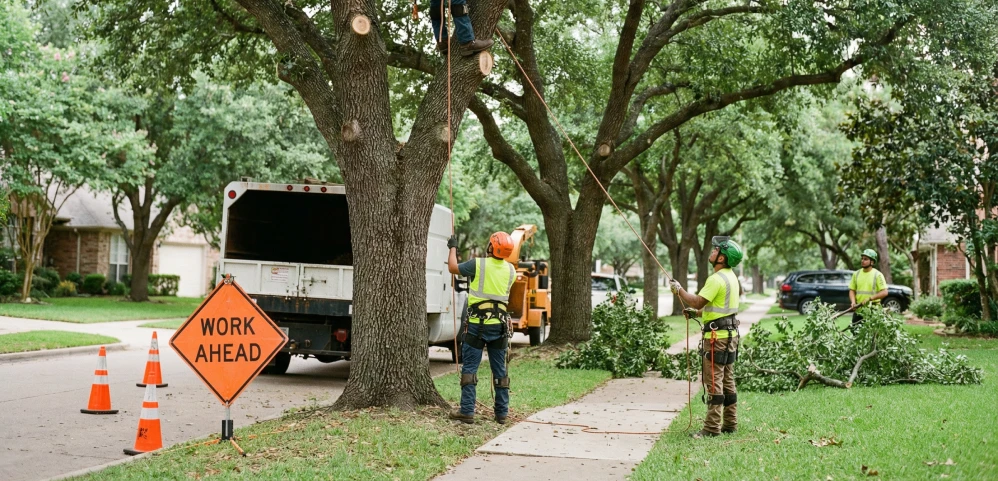
Effective pruning should be:
-
scheduled (not random)
-
focused on structure and safety
-
done with an understanding of species and growth habits
-
balanced—avoiding heavy cuts that stress the tree
Structural pruning improves:
-
canopy stability
-
wind resistance
-
visibility and clearance
-
long-term health and shape
Long-Term Planning Matters
Great properties don’t wait until a tree fails. They plan:
-
which trees are nearing end-of-life
-
which should be pruned more aggressively for safety
-
where replacement plantings are needed for canopy continuity
-
how tree care fits into storm preparedness
Final Thoughts
Tree care is one of the most important investments a property can make in safety, appearance, and long-term value. Routine assessment and planned pruning reduce risk and prevent expensive surprises.