HOA landscaping is not the same as residential landscaping. It isn’t a single yard, a single owner, or a single preference. It’s an ecosystem of shared spaces, multiple stakeholders, and a property-wide expectation that everything outside looks consistent, safe, and well-managed.
That’s why HOA landscaping requires more than routine mowing. It requires standards, predictability, and accountability. Every entry monument, median, clubhouse approach, sidewalk edge, and amenity space becomes part of the community’s identity—and residents notice when that identity begins to drift.
This article breaks down what HOA landscaping actually needs in order to support community standards, reduce complaints, and protect long-term property value—without turning maintenance into a bottomless budget line.
Why HOA Landscaping Is Different
In a typical residential setting, landscaping decisions are personal. In an HOA, landscaping is public. It’s the visual and operational expression of management.
That creates unique requirements:
-
Scale: Many zones, repeated patterns, large turf areas, multiple entrances, and shared amenity spaces.
-
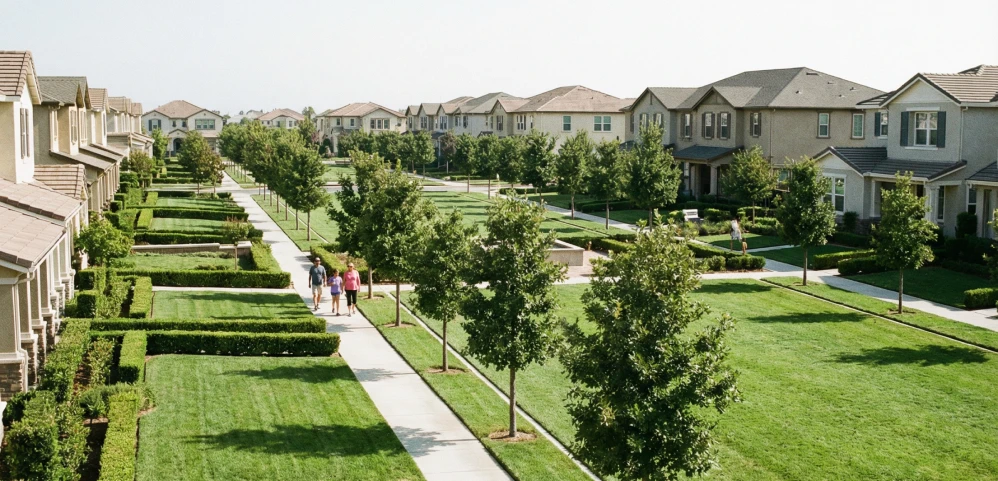
Consistency: A “premium” community doesn’t look perfect once a month—it looks stable week to week.
-
Standards: The HOA must deliver a predictable appearance, not a rotating version of “good enough.”
-
Stakeholders: Boards, property managers, residents, and sometimes city/municipal requirements all influence the outcome.
-
Risk: Safety and liability (trees, visibility, walkways, drainage, overspray) matter more at community scale.
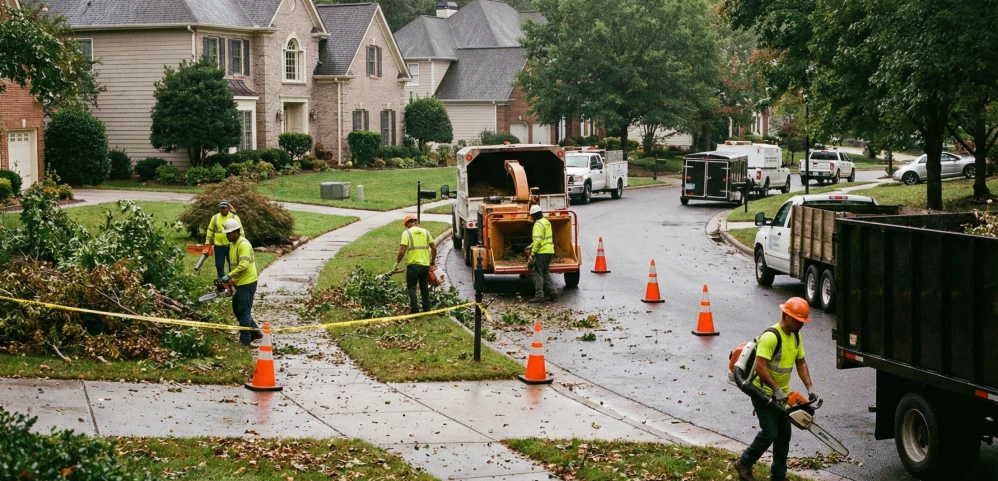
When landscaping is managed casually, inconsistencies appear quickly:
-
entry beds look clean, but medians drift
-
one neighborhood zone is crisp, another looks neglected
-
irrigation overwatering creates soggy areas in one section, dry patches in another
-
trimming is uneven across hedges, creating a “patched together” appearance
In HOA communities, that inconsistency translates into a single word residents feel immediately: decline.
The “Standards” Residents Actually Notice
HOA boards sometimes assume residents are judging landscaping based on plant variety or expensive upgrades. In reality, residents are mostly judging:
1) Order
-
clean edges
-
clear bed lines
-
turf that looks intentional and evenly maintained
-
no visible clutter or debris
2) Consistency
-
entrances match the quality of common areas
-
medians don’t look like an afterthought
-
plant beds are uniformly clean across the property
3) Health
-
minimal dead plants
-
consistent turf color
-
no obvious drought stress or soggy, failing zones
4) Safety
-
visibility at intersections and entrances
-
walkways not blocked by overgrowth
-
trees not visibly risky or neglected
Communities don’t need to look “luxury” to protect standards. They need to look managed.
The Hidden Cost of Inconsistency: Complaints and Board Pressure
One of the most expensive outcomes of poor HOA landscaping isn’t plant replacement—it’s management friction.
When landscaping is inconsistent, a predictable cycle starts:
-
Residents complain
-
Property managers chase issues individually
-
Vendors respond reactively
-
The board sees “random fixes” but no sustained improvement
-
Trust drops, meetings become harder, and every budget decision becomes emotional
This cycle can make even modest issues feel like major failures. The solution isn’t always “more work.” It’s better standards, better communication, and proactive execution.
What HOA Landscaping Standards Should Include
A strong HOA landscape standard is not a vague promise like “keep the property looking good.” It’s a measurable baseline.
A practical HOA standard includes:
Visual Standards (Appearance)
-
turf consistently cut at proper height
-
edges defined and maintained
-
beds clean, weed-controlled, and clearly shaped
-
shrubs trimmed consistently across zones (not “as needed”)
-
minimal visible decline in high-visibility areas
Health Standards (Performance)
-
irrigation schedules reviewed seasonally
-
routine checks for coverage, leaks, overspray
-
plant health monitored (decline detected early)
-
proactive replacement before widespread visible failure
Safety Standards (Risk)
-
clear sightlines at entrances and intersections
-
walkway clearance maintained
-
tree risk monitored and addressed proactively
-
drainage issues identified and escalated early
Operational Standards (Accountability)
-
defined scope of services (what is included, what isn’t)
-
documentation: schedules, inspection notes, recommendations
-
consistent reporting cadence to property management/board
-
response standards for urgent issues (storm damage, hazards)
When standards are explicit, quality becomes controllable.
The HOA Landscaping “Scope Trap” (and How to Avoid It)
Many HOA landscaping issues come from scope ambiguity. A vendor may be doing “maintenance” but the HOA expects “management.”
Maintenance often means:
-
mowing
-
blowing
-
basic trimming
-
occasional cleanup
Management means:
-
proactive planning and inspections
-
irrigation optimization
-
ROI-based recommendations
-
predictable reporting
-
a system that prevents issues, not just reacts to them
Boards and managers should decide what they actually need. If the expectation is consistent, premium-looking common areas, “basic maintenance” scope often falls short.
How to Maintain Standards Without Overpaying
The goal isn’t to do everything everywhere all the time. The goal is to prioritize what most influences perception and prevents costly problems.
Principle 1: Prioritize high-visibility zones
Focus first on:
-
main entrances and monuments
-
clubhouse/amenity areas
-
major medians and primary roads
-
community signage zones
-
key corners and intersections
If these areas are stable and consistent, the property feels higher quality even before the rest is optimized.
Principle 2: Fix irrigation before replacing plants
Replacing plants without addressing irrigation is a cycle:
-
plant fails → replace → plant fails again
Irrigation tuning often creates faster, more durable improvements than planting “more.”
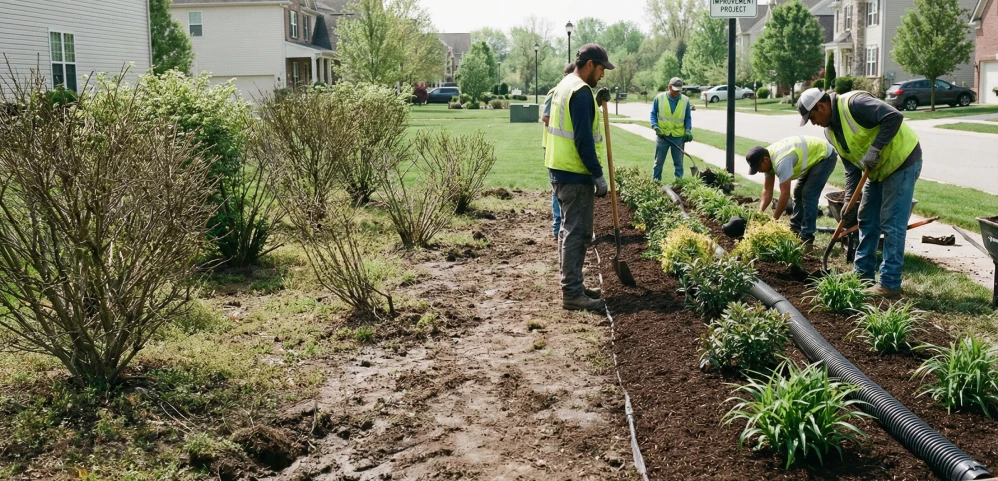
Principle 3: Keep beds defined and clean
Beds are the frames around buildings and pathways. When bed lines blur, the whole property looks less controlled.
Bed definition is one of the highest ROI activities in HOA landscaping.
Principle 4: Use proactive replacement (not reactive replacement)
Replacing a few weak plants early prevents:
-
visible decline in clusters
-
broader replacement needs later
-
“we need a full refresh” panic decisions
Principle 5: Use phased improvements
If you want upgrades, phase them:
-
stabilize health and irrigation
-
standardize maintenance and appearance
-
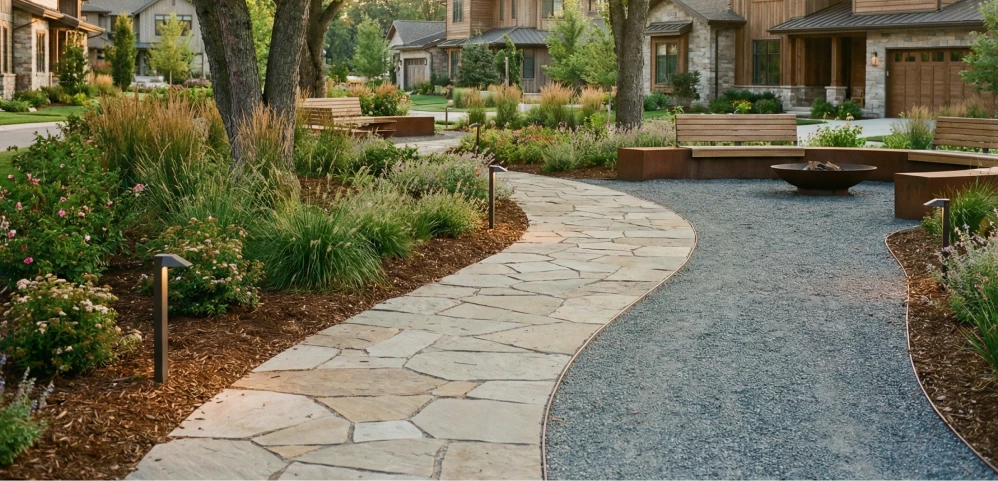
enhance with selective improvements (plant refresh, pathways, redesign)
This prevents wasting money on upgrades while the foundation is unstable.
Reporting and Communication: The Difference Between Stress and Confidence
HOA boards and property managers don’t just need the work done. They need clarity.
The best HOA landscaping operations include:
-
simple reporting: what was done, what was found, what is recommended
-
priority-based recommendations: safety first, then cost avoidance, then aesthetics
-
visibility: photos, notes, and accountability
-
predictability: knowing what’s coming next month and next season
When communication is clear, boards can make decisions without guessing—and residents see fewer “surprise” declines.
HOA Landscaping and Compliance
For many HOAs, compliance isn’t only about HOA rules. It can include:
-
municipal expectations (right-of-way maintenance, visibility)
-
safety requirements (walkways clear, sightlines intact)
-
storm-related mitigation responsibilities
-
irrigation rules and water restrictions depending on local guidelines
Even when requirements vary, the principle is the same: consistent landscaping reduces compliance risk because problems are spotted early.
A Simple HOA Landscaping Framework That Works
Here’s a practical model:
Weekly (Consistency)
-
mowing, edging, cleanup
-
quick bed touch-ups
-
visible issue scan (irrigation leaks, hazards)
Monthly (Standards)
-
scheduled shrub trimming
-
bed definition and weed control
-
irrigation performance check
-
proactive plant health review
Seasonal (Stability + Planning)
-
seasonal irrigation recalibration
-
tree pruning planning and execution
-
storm readiness preparation
-
improvements planning based on priorities and ROI
This structure prevents drift. And drift is what creates the “decline” feeling in communities.
Final Thoughts
HOA landscaping is the public face of the community. It affects resident satisfaction, board trust, and property value—not because of exotic plant choices, but because of consistency and standards.
When landscaping is managed proactively—with clear scope, predictable schedules, and real communication—communities feel stable. Complaints drop. Costs become more predictable. And standards stay protected.