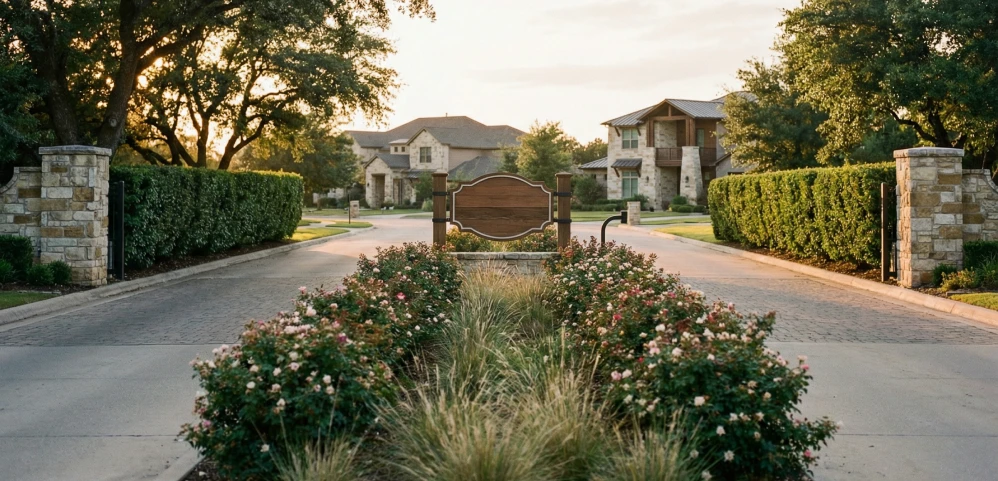
Landscaping is often treated like “appearance.” In reality, it’s closer to infrastructure: a visible system that communicates how well a property is managed. For HOAs, commercial sites, and residential communities, the landscape is one of the first signals visitors, residents, and potential buyers interpret—and that signal influences perceived value long before anyone reads a brochure or checks amenities.
The impact isn’t limited to aesthetics. Landscaping influences safety, accessibility, maintenance predictability, and even operational costs. When it’s done well, it supports a “premium” perception. When it’s inconsistent, it makes even a good property feel neglected.
This article explains the value mechanics behind landscaping and how to prioritize improvements that move the needle without wasting budget.
Landscaping Drives First Impressions (And First Impressions Drive Value)
Most people decide how they feel about a property within seconds of arriving. Before they notice finishes, square footage, or the age of buildings, they notice:
-
whether entries are clean and defined
-
if turf looks healthy or patchy
-
if beds appear intentional or overgrown
-
whether trees look maintained or risky
-
if irrigation is controlled or messy (overspray, puddling)
These are not cosmetic “nice-to-haves.” They shape perceived management quality, which shapes perceived value.
For HOA communities in particular, landscaping is a direct reflection of standards. When common areas look consistent, the community feels organized. When common areas look uneven, residents question whether the association is protecting value.
Landscaping Affects Buyer Psychology (Even in “Residential Communities”)
In residential communities, many buyers aren’t evaluating landscaping as landscaping. They’re using it as a proxy for:
-
how well the community is run
-
whether common areas will remain attractive over time
-
whether rules/standards are enforced
-
whether the neighborhood will “hold value”
That’s why curb appeal matters so much. A well-maintained landscape doesn’t just look good—it reduces uncertainty.
Uncertainty lowers perceived value. And when perceived value drops, price sensitivity rises.
Consistency Matters More Than “Luxury”
There’s a common misconception that value requires expensive plants or dramatic upgrades. In reality, consistency is what creates premium perception at scale.
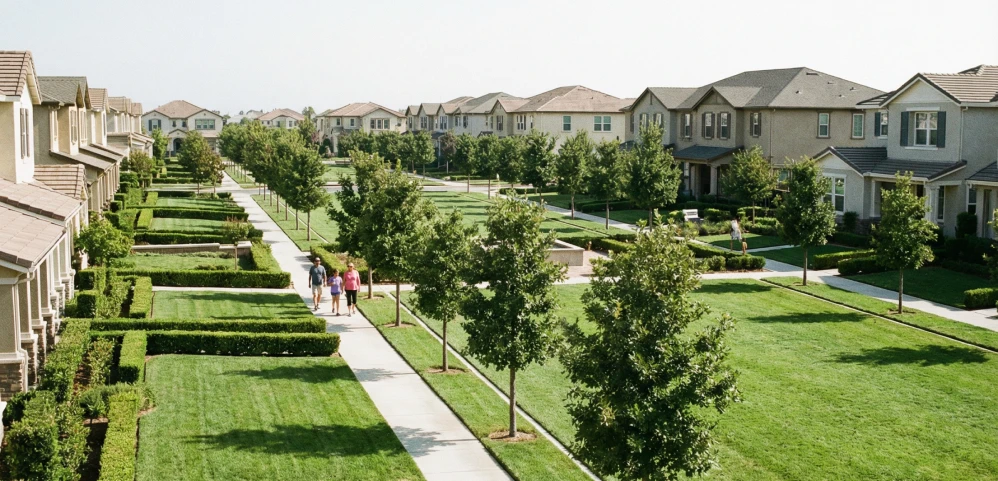
A community with simple plantings, clean edges, and reliable maintenance often looks more valuable than a community with expensive materials but inconsistent care.
Consistency creates:
-
predictable appearance week to week
-
uniform standards across entrances and common zones
-
fewer visible problems (dead plants, messy beds, uneven turf)
-
lower resident complaints and higher satisfaction
The moment landscaping becomes reactive—only addressed when it “looks bad”—value begins to erode.
The Hidden Value: Reduced Risk and Liability
Property value isn’t only “how it looks.” It’s also risk management. Neglected landscapes create safety issues that can become liabilities:
-
overgrowth onto sidewalks (trip hazards)
-
poor visibility at entrances and intersections
-
standing water and slick zones
-
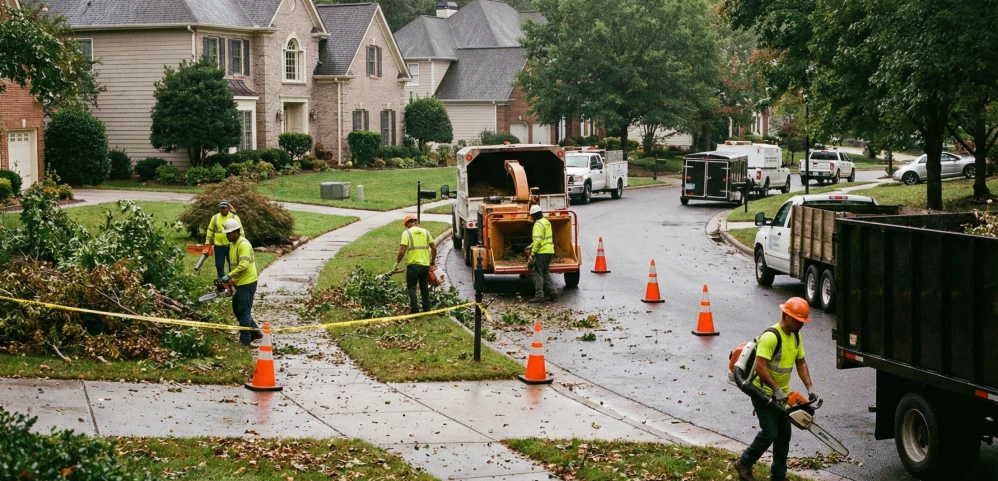
branches over walkways and parking areas
-
debris buildup after storms
When those issues exist, the property doesn’t just appear less valuable—it becomes objectively riskier. That influences how residents feel, how visitors perceive management, and how boards think about long-term costs.
Landscaping Impacts Operating Costs (Which Impacts Value)
Well-managed landscapes protect budgets. Poor landscapes create “surprise spending.”
Common cost drivers when landscaping is neglected:
-
irrigation leaks causing turf failure and plant replacement
-
drainage issues leading to erosion and washouts
-
overgrowth requiring labor-heavy “reset” work
-
disease/pest issues that escalate across turf or beds
-
emergency storm cleanup that could have been reduced with preparation
Value increases when costs become predictable. A proactive landscape plan creates predictability by preventing small issues from becoming major repairs.
What Improvements Actually Increase Value?
If you’re trying to improve perception and value, not every improvement is equal. The best upgrades are the ones that improve:
-
visual order
-
health and stability
-
long-term maintenance efficiency
-
entry/arrival experience
Here are high-ROI priorities:
1) Entry and “arrival” areas
Your entrance sets the tone. Improving entrances doesn’t require a full redesign. It requires:
-
defined bed lines
-
healthy turf and clean edging
-
consistent trimming and clear sightlines
-
seasonal color (used carefully, not excessively)
-
clean signage visibility
2) Irrigation efficiency and coverage
Water control is the foundation of plant health. Improving irrigation often increases value by reducing visible decline:
-
fewer dry patches
-
fewer overwatered, muddy zones
-
healthier beds and shrubs
-
more uniform appearance across common areas
It also reduces water waste and prevents root damage.
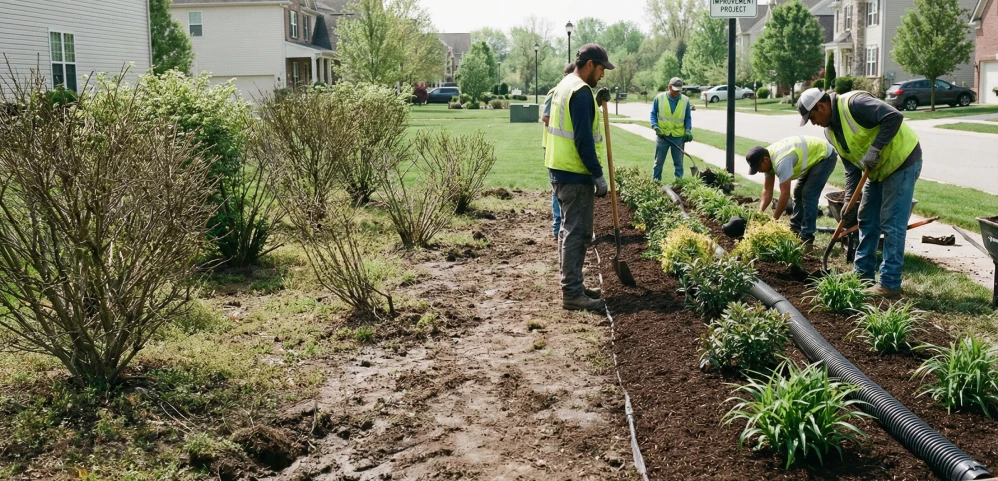
3) Bed definition and cleanliness
Beds are one of the easiest places to create a premium look—because they’re visible and “frame” the property.
High-value bed improvements include:
-
crisp edges (weekly/biweekly maintenance)
-
consistent mulch coverage
-
thoughtful plant spacing and grouping
-
removal of weak plants before they fail visibly
A bed that looks “maintained” signals standards and care.
4) Tree health and pruning
Trees define the property’s canopy and shade experience. Well-maintained trees feel safe and intentional.
Priority improvements:
-
structural pruning (not random trimming)
-
removal of deadwood and risky limbs
-
long-term planning (replacement and canopy balance)
Trees that look neglected can immediately downgrade perceived quality.
5) Pathways and hardscape boundaries
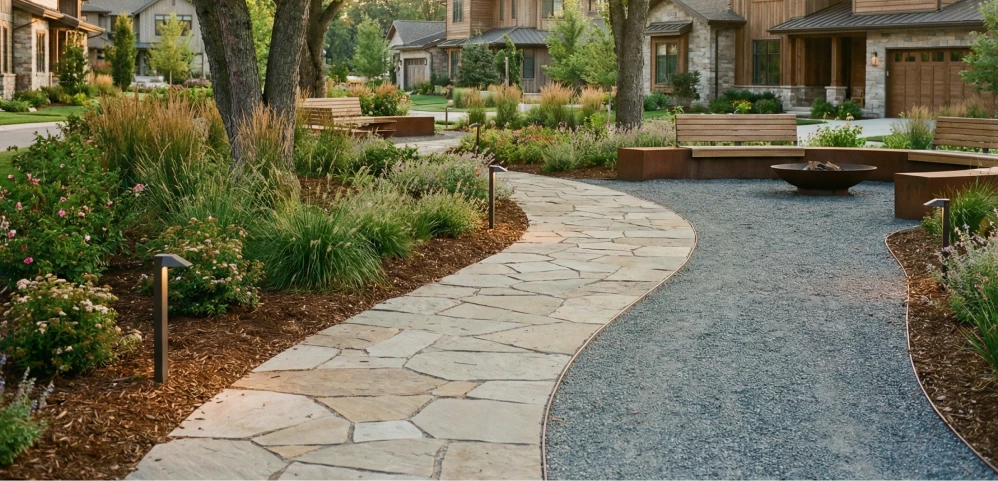
Even small improvements around pathways—clean lines, edging, clearing vegetation—make properties feel more organized.
The Biggest Value Killer: “Visible Neglect”
Value drops fastest when neglect becomes visible:
-
dead or declining plants
-
patchy turf
-
overspray onto sidewalks
-
weeds taking over beds
-
overgrown shrubs blocking sightlines
-
debris and litter not removed consistently
These are credibility killers. They signal that standards aren’t being managed—and that lowers perceived value no matter how good the buildings are.
How Property Managers and HOA Boards Can Measure Landscape Value
You don’t need complicated analytics to measure improvement. Track:
-
complaint frequency related to landscaping
-
irrigation-related repairs and water waste patterns
-
plant replacement frequency (and why plants are failing)
-
consistency scores (do zones look the same week to week?)
-
condition of entrances and key visibility areas
When these metrics stabilize, value perception typically improves as well.
A Practical Strategy to Increase Value Without Overspending
If budget matters (it always does), use a tiered approach:
Step 1: Stabilize
Fix what’s causing visible decline:
-
irrigation issues
-
failing plants in high-visibility areas
-
bed definition and cleanup
-
safety risks and sightline problems
Step 2: Standardize
Create consistency:
-
routine maintenance schedule
-
clear scope and standards
-
predictable trimming and bed care
-
proactive reporting so you don’t “discover” problems late
Step 3: Enhance (selectively)
Only after stability and consistency:
-
small landscape improvements
-
phased redesign in key areas
-
updated plantings and pathways
This avoids the common mistake: spending on upgrades while underlying maintenance is inconsistent.
Final Thoughts
Landscaping impacts property value because it communicates how well a property is managed—visually, operationally, and financially. Consistency protects standards. Proactive care reduces surprise costs. And targeted improvements elevate perception in the areas that matter most.