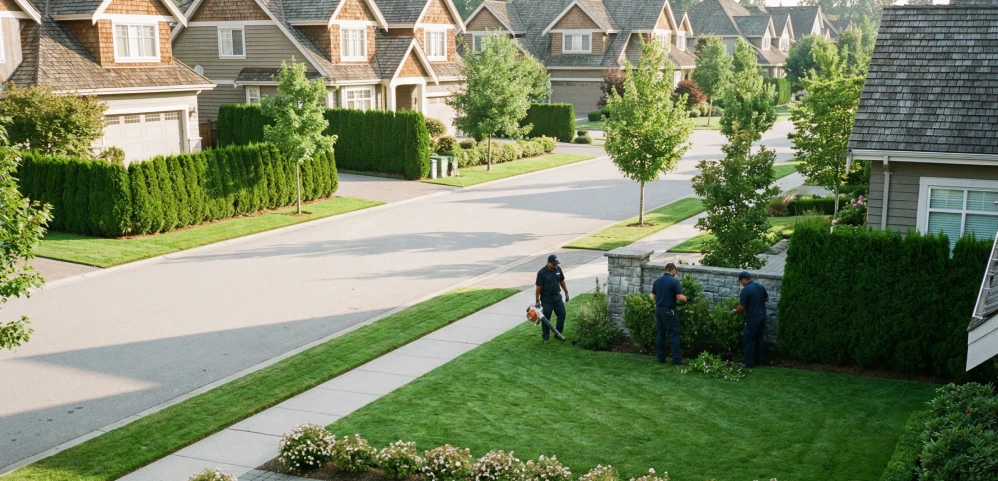
Consistent landscape maintenance isn’t just about keeping grass cut or shrubs neat. For commercial properties, HOAs, and communities, landscaping is part of the property’s identity — and a direct contributor to safety, compliance, and long-term value.
For commercial properties, HOAs, and communities, landscaping is part of the property’s identity—and a direct contributor to safety, compliance, and long-term value.
When maintenance becomes inconsistent, small issues quietly compound. A minor irrigation leak turns into dead zones. A neglected hedge blocks sightlines. Overgrown turf invites pests, disease, and uneven growth. And suddenly, what could have been routine upkeep becomes a costly “fix-it-now” project.
The properties that look effortless on the outside are rarely maintained reactively. They’re maintained with a clear plan, consistent schedules, and proactive inspections that catch issues early—before they become disruptive and expensive.
Below is what consistent maintenance actually protects, why it matters year-round, and how property managers and HOA boards can use it to maintain standards without overpaying.
Landscaping Is a System, Not a Single Task
A healthy, well-presented landscape isn’t the result of one service. It’s the outcome of multiple interconnected systems working together:
-
Turf health (mowing height, edging, fertilization timing, weed control)
-
Plant health (proper pruning schedules, nutrient needs, pest monitoring)
-
Irrigation performance (coverage, pressure, schedule calibration, leak prevention)
-
Drainage and grading (standing water prevention, erosion control)
-
Hardscape integrity (pathways, borders, signage visibility, bed definition)
-
Cleanliness and order (debris removal, bed touch-ups, consistent detailing)
When a contractor only “shows up and cuts,” these systems degrade over time. Consistent maintenance means routine care plus ongoing attention to the details that keep your landscape stable and predictable.
The Real Cost of Inconsistent Maintenance
It’s easy to underestimate the financial impact of “skipping a week” or pushing seasonal services. Most landscape damage doesn’t appear overnight—it shows up after small issues are ignored long enough to become visible.
Here’s how that typically plays out:
1) Small irrigation problems become landscape failures
A slightly misaligned sprinkler head doesn’t seem urgent—until it creates overspray onto walkways, dry patches in turf, or soggy areas near building edges. Over time, poor irrigation performance causes:
-
thinning turf or dead zones
-
fungus and disease from overwatering
-
root stress in shrubs and bed plants
-
rising water bills and wasted resources
2) Overgrowth becomes labor-heavy and expensive
If trimming schedules slip, properties don’t just look untidy—they require heavier pruning and cleanup later. Overgrowth leads to:
-
blocked signage or sightlines
-
pathways and curb edges losing definition
-
pests nesting in dense shrubs
-
increased labor hours to “reset” the property
3) Neglect reduces plant lifespan (and increases replacement costs)
Plants are assets—especially in communities designed for consistent visual appeal. Inconsistent care increases the likelihood of:
-
pest pressure and infestation
-
nutrient deficiencies
-
improper pruning that stresses plants
-
long-term decline and early replacement
Replacing plants at scale costs more than maintaining them correctly.
Consistency Protects Standards (Especially for HOAs)
In residential communities and HOA-managed properties, landscaping is one of the most visible indicators of management quality. A community can have strong amenities and great homes, but if common areas look neglected, perception drops fast.
Consistent maintenance supports:
-
uniform appearance across shared spaces
-
clear bed lines and defined edges
-
reliable seasonal color and plant performance
-
predictable quality that residents notice—and appreciate
It also reduces resident complaints because most landscaping complaints are rooted in inconsistency: one area looks cared for while another looks forgotten.
Safety and Liability: The Overlooked Reason Maintenance Matters
Landscaping affects safety more than most people think.
When maintenance is inconsistent, you increase risk in ways that can lead to liability:
-
trip hazards from uneven edges, overgrowth onto walkways, or debris buildup
-
blocked visibility at intersections and entrances
-
standing water that creates slick areas or attracts mosquitoes
-
tree risks from unmanaged limbs, deadwood, or weak structure
-
overspray onto sidewalks and drive lanes
Consistent care includes routine checks that reduce these risks before they create incidents.
What “Consistent Maintenance” Should Actually Include
A professional maintenance plan is not just frequency. It’s scope + standard + follow-through.
Weekly / routine services
These keep appearance controlled and prevent the landscape from drifting:
-
mowing (proper height, consistent patterns)
-
edging and line definition
-
blowing and debris removal
-
bed cleanup and quick touch-ups
-
visible problem checks (broken heads, pooling water, dying plants)
Monthly / scheduled improvements
This is where properties separate “average” from “premium”:
-
detailed shrub and hedge trimming (on schedule, not random)
-
turf health services (weed control timing, fertilization planning)
-
irrigation checkups and calibration
-
bed redefinition and mulch/stone refresh as needed
-
proactive replacements (swap weak plants before they fail)
Seasonal planning
Landscaping changes with the seasons, and your plan should reflect that:
-
spring growth management and reset pruning
-
summer irrigation efficiency and disease prevention
-
fall cleanup, bed preparation, and storm readiness
-
winter pruning, structural plant care, and planning improvements
Consistency means anticipating seasonal shifts rather than reacting after problems appear.
Proactive Maintenance vs Reactive Landscaping
Reactive landscaping is when you wait until something looks bad, breaks, or generates complaints.
Proactive maintenance is when you:
-
inspect regularly
-
correct early
-
plan improvements by priority
-
prevent emergencies
-
keep quality predictable
A proactive approach reduces:
-
emergency irrigation repairs
-
“we need to replace everything” moments
-
unpredictable budget spikes
-
resident complaints and dissatisfaction
For property managers and boards, proactive maintenance is easier to manage because it turns landscaping into a controlled process rather than a series of surprises.
Communication Is Part of Consistency
Consistency isn’t only physical work—it’s also how the work is managed.
The most effective landscape maintenance includes:
-
clear schedules and expectations
-
documented scope (what is included, what is not)
-
proactive reporting on issues found
-
transparency about recommendations and priorities
When communication is clear, boards and managers can make decisions quickly and avoid “slow decline” caused by uncertainty or delayed approvals.
How to Know If Your Property Is Being Maintained Consistently
Here are practical indicators:
The property looks stable week to week
Not perfect one week and messy the next. The quality feels “steady.”
Details are handled, not just the obvious
Edges are clean. Beds look intentional. Walkways are clear. No overspray.
Issues are identified early
You hear about problems before residents do.
Irrigation is controlled and efficient
No constant dry patches, flooded areas, or overspray onto pavement.
You receive clarity
You know what’s being done and why, and you can forecast upcoming needs.
A Simple Strategy for Better Results (Without Overpaying)
The goal isn’t to do “more.” It’s to do the right work at the right time.
A good strategy looks like:
-
baseline inspection (identify current issues)
-
maintenance schedule (weekly routine + monthly standards)
-
priority improvements (fix what drives cost/risk first)
-
optimization (irrigation tuning, bed definition, plant health)
-
repeatable reporting (consistency stays measurable)
This approach prevents waste and keeps your landscape from drifting into expensive territory.
Final Thoughts
Consistent landscape maintenance protects more than appearance. It protects:
-
safety and liability
-
operational predictability
-
long-term plant performance
-
community standards
-
property value and perception
When done well, it reduces total cost over time because fewer problems reach the “expensive” stage.
If you manage an HOA or commercial property, the best time to improve landscape performance is before your next problem becomes a budget surprise.