Landscapes don’t fail all at once. They fail slowly—usually because seasonal needs are ignored. Each season places different stress on turf, shrubs, trees, and irrigation. If maintenance stays the same all year, landscapes drift. And drift turns into decline.
For Florida properties and the Tampa Bay region, seasonality matters even more because heat, humidity, rainfall, and storm patterns can change fast. The healthiest properties aren’t maintained “more.” They’re maintained smarter, with seasonal adjustments that prevent predictable problems.
Below is a season-by-season guide designed for HOAs, commercial sites, and residential communities, with practical checklists you can use to keep green spaces healthy, organized, and visually consistent year-round.
Why Seasonal Planning Matters
Seasonal planning does three things:
-
Protects plant health by matching care to growth cycles
-
Prevents expensive issues (disease, decline, replacements)
-
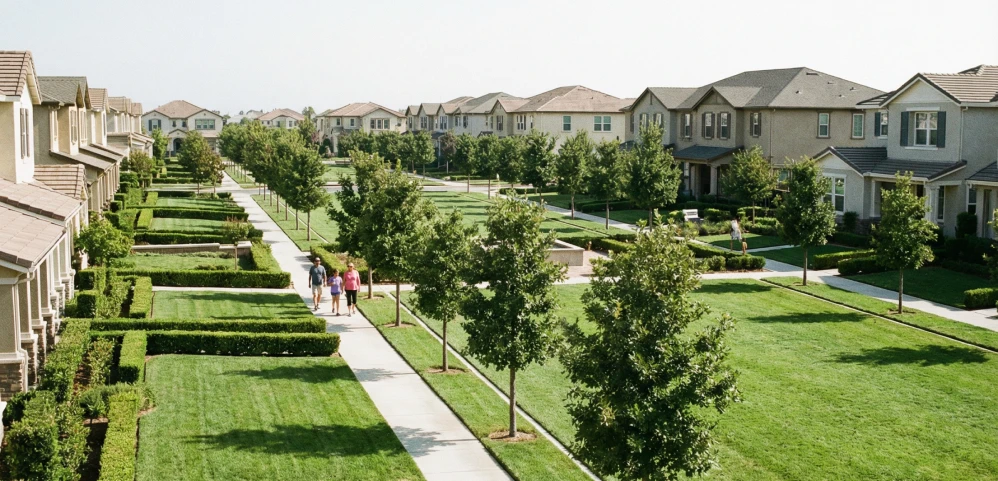
Keeps appearance consistent across common areas and entrances
When seasonal needs are ignored, you commonly see:
-
fungus and turf disease in warm months
-
overwatering and root damage
-
uneven trimming leading to stressed shrubs
-
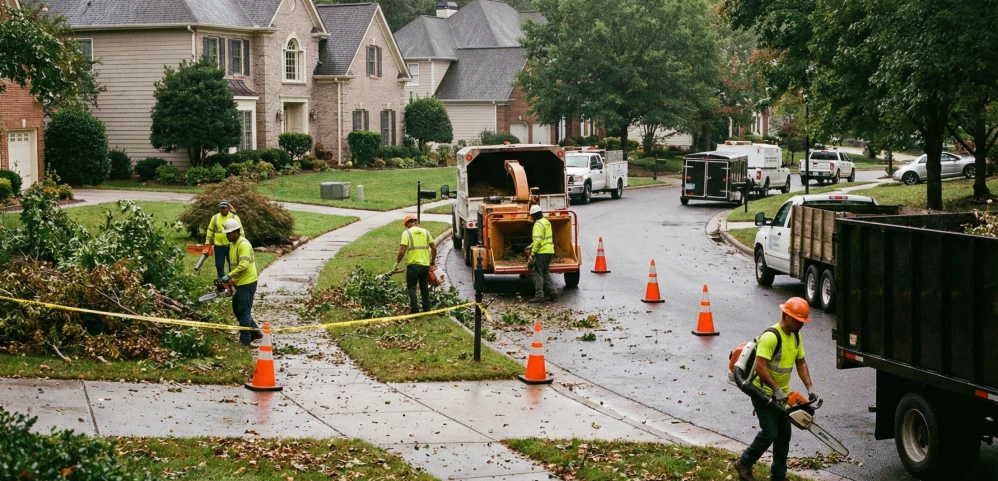
storm damage that could have been reduced with better timing
-
bed degradation and weeds overtaking areas
Seasonal planning is less about “doing more,” and more about doing the right work at the right time.
Spring: Reset, Growth Control, and System Checks
Spring is when landscapes “wake up.” Growth accelerates, weeds become more active, and irrigation demands shift.
Spring priorities:
-
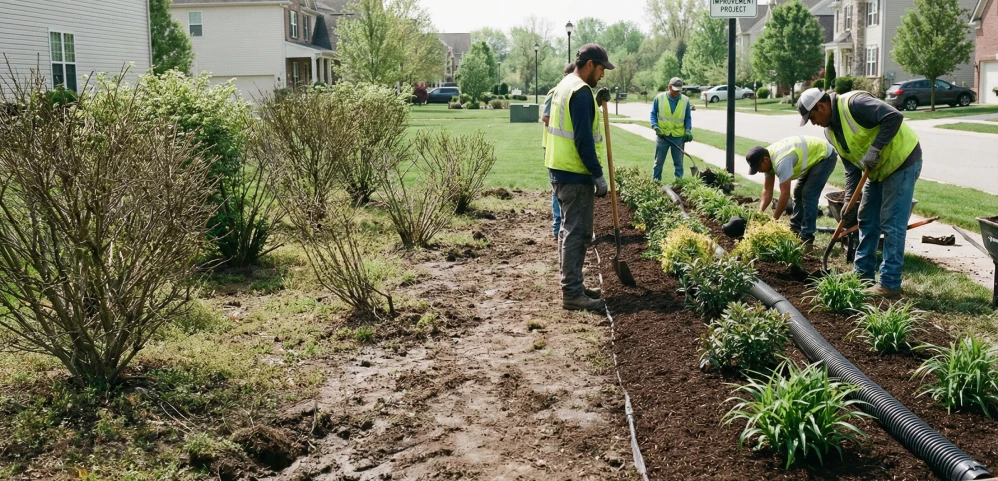
Reset bed lines and edges so the property looks intentional early in the year
-
Inspect irrigation coverage and schedules to match rising temperatures
-
Prune strategically (not aggressively) to set shape and remove weak growth
-
Plan seasonal color carefully (high-impact zones only)
-
Address weeds early before they spread
Common spring mistakes:
-
raising irrigation too quickly without checking coverage
-
over-trimming shrubs during active growth
-
ignoring drainage issues before summer rains
Spring checklist:
-
edge and redefine beds
-
inspect sprinkler heads and coverage zones
-
correct overspray onto sidewalks
-
remove weak plants before they fail visibly
-
apply targeted weed strategy to reduce summer spread
Summer: Heat Management, Irrigation Efficiency, and Disease Prevention
Summer is stress season. Heat + humidity + heavy rain cycles create perfect conditions for turf disease, pests, and watering mistakes.
Summer priorities:
-
Irrigation tuning (not just “more watering”)
-
Mowing height discipline to reduce turf stress
-
Disease monitoring (fungus becomes a major risk)
-
Keep beds clean—summer weeds grow aggressively
-
Storm readiness begins before storms arrive
Irrigation strategy in summer:
-
schedule based on exposure and zone type
-
avoid “one schedule for everything”
-
inspect for leaks and low-pressure zones
-
reduce overwatering that causes root stress and fungus
Summer checklist:
-
verify irrigation is even and efficient
-
check turf health for early disease signs
-
maintain consistent mowing height
-
remove debris weekly (especially after storms)
-
prune only as needed—avoid heavy cuts that stress plants
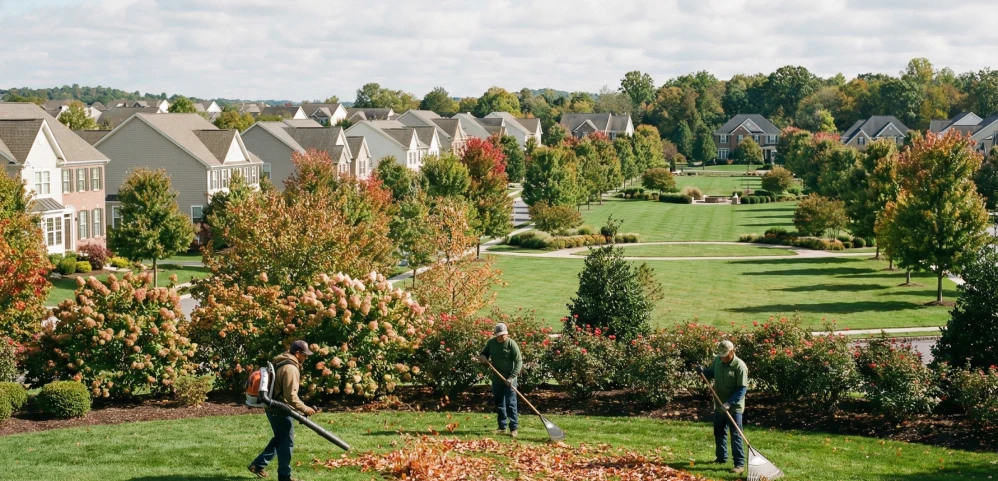
Fall: Cleanup, Stabilization, and Preparation
Fall is the season that sets up the next year. It’s when you prevent “slow decline” by stabilizing beds, trimming for structure, and preparing for weather changes.
Fall priorities:
-
Clean up and reset: remove debris, refresh beds, restore definition
-
Prune for structure: prepare shrubs and trees for storm and winter patterns
-
Adjust irrigation schedules as temperatures shift
-
Address drainage issues that become visible after rainy periods
-
Plan improvements for the next season (budget and priorities)
Fall checklist:
-
detailed trimming for structure and visibility
-
bed touch-ups and mulch refresh where needed
-
irrigation schedule reduction and performance check
-
check for pooling zones and drainage concerns
-
identify weak trees and plan proactive pruning
Winter: Pruning, Planning, and Long-Term Structure
Florida winters vary, but winter is still a crucial season for structural work and planning. Growth slows, making it a better time for certain types of pruning and cleanups.
Winter priorities:
-
Structural pruning (trees and shrubs) with less growth stress
-
Remove deadwood and hazard risks before spring storms return
-
Plan landscape improvements (this is the most efficient time to design and phase)
-
Audit irrigation and infrastructure for spring readiness
Winter checklist:
-
tree risk assessment and pruning schedule
-
shrub shape correction (avoid excessive removal)
-
cleanup and bed preparation
-
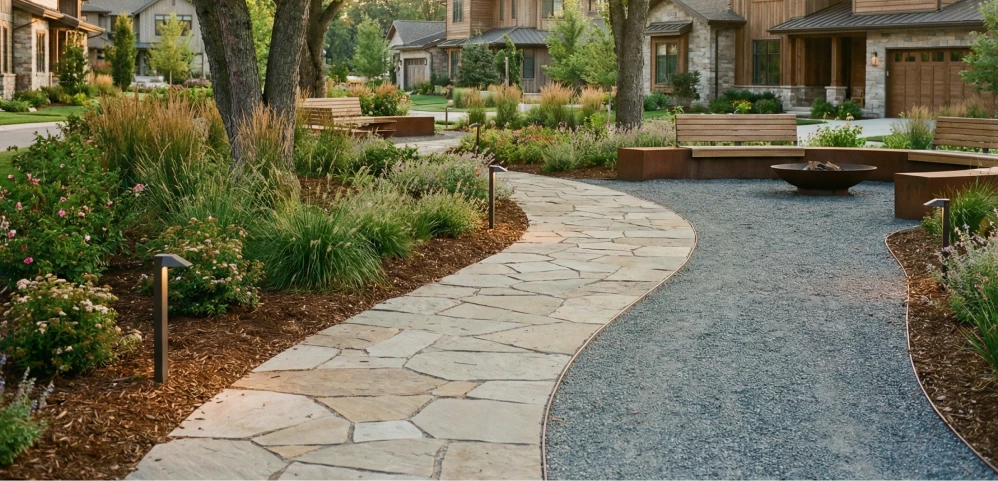
identify and plan upgrades (pathways, planting refresh, irrigation upgrades)
The “Seasonal Framework” That Works for HOAs and Commercial Properties
A practical framework looks like this:
-
Weekly: maintain appearance and cleanliness
-
Monthly: trim, edge, inspect, optimize
-
Seasonally: reset, restructure, plan improvements
That structure prevents the property from drifting into reactive maintenance.
A Simple Seasonal Scorecard (Use This to Judge Your Landscape)
Each season, ask:
-
Are entrances and high-visibility areas stable and consistent?
-
Is irrigation optimized—or are we guessing?
-
Are beds defined and clean, or spreading/weedy?
-
Are trees and shrubs structurally healthy, or getting risky?
-
Are we planning improvements—or waiting for emergencies?
If the answer is “we’re reacting,” seasonal planning is missing.
Final Thoughts
Healthy green spaces don’t happen by accident. They happen through seasonal strategy—resetting, optimizing, and planning so the landscape stays stable year-round.