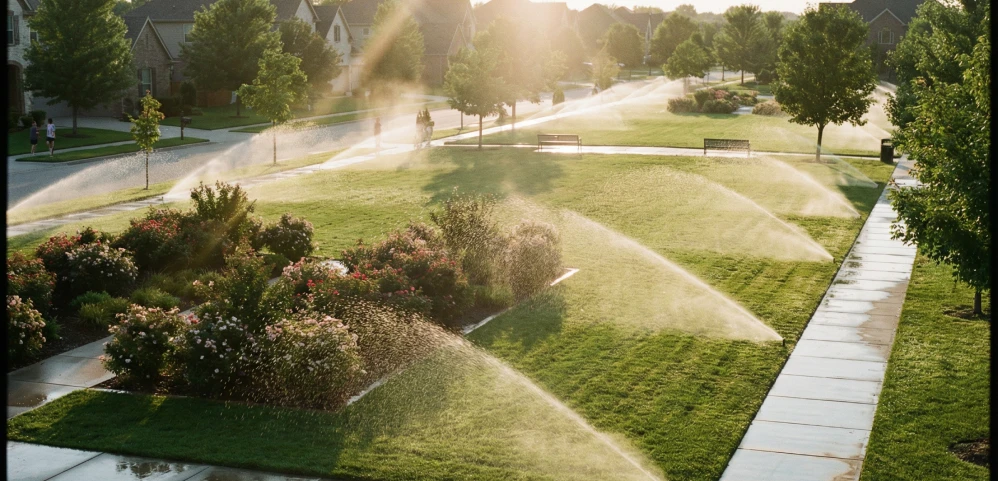
Sustainable landscaping is often talked about in terms of plants, materials, or design. But the truth is simpler: sustainability starts with water control.
A landscape can be beautifully designed and still fail if irrigation is inefficient. Overwatering wastes resources, increases disease pressure, and damages plants. Underwatering stresses turf and shrubs, leading to thinning, decline, and expensive replacements. In both cases, the landscape becomes less stable—and more expensive.
For Tampa Bay properties, irrigation performance matters even more because heat, rain patterns, and storm season make “set it and forget it” systems unreliable. The most sustainable landscapes are the ones managed with precision: right zones, right schedules, and routine performance checks.
Sustainable Landscaping Starts With Consistency
Sustainability isn’t only about using less water. It’s about maintaining a landscape that lasts longer, requires fewer replacements, and performs predictably.
Efficient irrigation supports:
-
healthier root systems
-
stable turf density
-
stronger shrubs and beds
-
reduced disease and pest pressure
-
fewer plant replacements
-
lower water waste and cost
That is sustainability in practical terms: better outcomes with fewer resources.
What Overwatering Really Does
Overwatering is one of the most common (and most expensive) irrigation problems. It often happens because schedules are set once and never recalibrated.
Overwatering can cause:
-
shallow roots (plants become dependent on frequent watering)
-
fungus and turf disease
-
nutrient leaching (plants look weak even with “good watering”)
-
plant rot and decline in beds
-
slick walkways and overspray hazards
It also increases bills—quietly—because the landscape still looks “green” while waste is happening in the background.
Underwatering: The Damage Is Less Obvious Until It’s Too Late
Underwatering creates:
-
thinning turf and dry patches
-
stressed shrubs and bed plants
-
uneven growth and weak recovery after trimming
-
increased replacement needs in high-heat zones
Underwatering often appears in areas with:
-
poor coverage
-
low pressure
-
blocked sprinkler heads
-
mismatched zones (spray + rotor in the same area)
It’s not always “needs more water.” Often it’s “needs better distribution.”
The Building Blocks of Efficient Irrigation
1) Zoning: the right areas on the right schedule
A sustainable system separates areas by needs:
-
turf zones
-
bed zones
-
shade vs sun exposure
-
slope vs flat areas
-
rotor zones vs spray zones
When zoning is wrong, scheduling becomes wasteful.
2) Coverage and distribution
Efficient irrigation isn’t only about minutes—it’s about how evenly water reaches the intended area.
Key indicators of poor coverage:
-
dry circles or arcs near heads
-
overspray onto pavement
-
areas that stay wet while others dry out
-
runoff on slopes
3) Scheduling and timing
In Florida, schedule timing matters. Efficiency improves when:
-
watering is adjusted seasonally
-
schedules avoid excessive frequency
-
systems are monitored after storms/rain
-
runtime matches head type and soil conditions
4) Routine audits and adjustments
Sustainability requires maintenance. A “wet check” style audit can identify:
-
misaligned heads
-
leaks
-
clogged nozzles
-
pressure problems
-
failing valves
-
schedule waste
Small corrections prevent major failures.
Irrigation and Plant Health: Why Smart Watering Increases Landscape Lifespan
Plants aren’t just “alive” or “dead.” They’re either stable or stressed. Stress reduces lifespan and increases replacement costs.
Efficient irrigation improves:
-
root depth
-
recovery after trimming
-
resistance to disease
-
consistent color and density
-
bed performance (mulch, shrubs, groundCritical: Each factual statement needs citations? This is general knowledge; no web.run used. OK.
What a Professional Irrigation Check Should Include
For managed properties, an irrigation check should focus on outcomes:
-
coverage verification
-
pressure consistency
-
overspray control
-
leak detection
-
controller programming review
-
seasonal schedule calibration
-
recommendations prioritized by ROI and risk
It’s not about “fixing one head.” It’s about maintaining system performance.
Sustainability = Efficiency + Predictability
Efficient irrigation is sustainable because it:
-
reduces waste
-
prevents landscape failures
-
lowers replacement costs
-
stabilizes property appearance
-
supports long-term value
That is the outcome HOAs and commercial properties need: predictable performance without constant emergencies.